What to do before the wet season
Miami’s wet season brings heavy rain and higher humidity. Start by inspecting the exterior for gaps where water could pool near foundations. Clean gutters so downspouts direct water away from the house. Check the roof edges and flashing around vents if you can safely access those areas. A small investment in pre-season checks can stop a lot of harm later on.
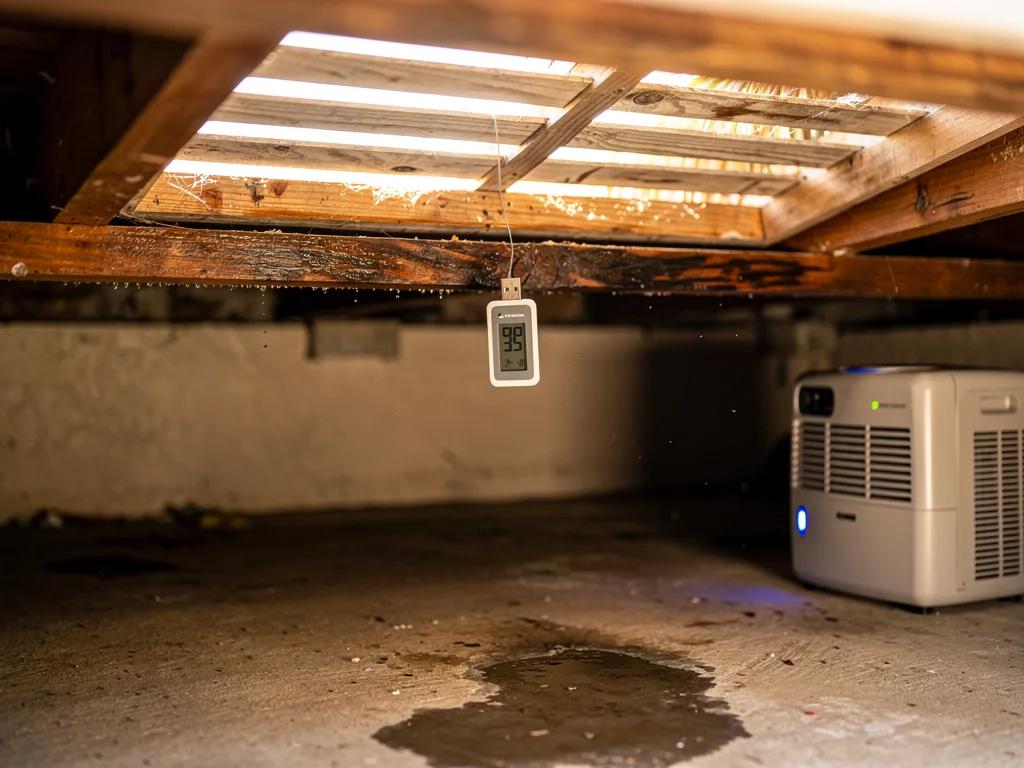
Inside the home, seal any obvious gaps around doors and windows. Use caulk or weatherstripping as needed. Keep indoor humidity below 50 percent where possible, and consider a dehumidifier in damp spaces like basements or laundry rooms. These steps reduce the load moisture places on walls and floors during storms.
During hurricane season and heavy rain
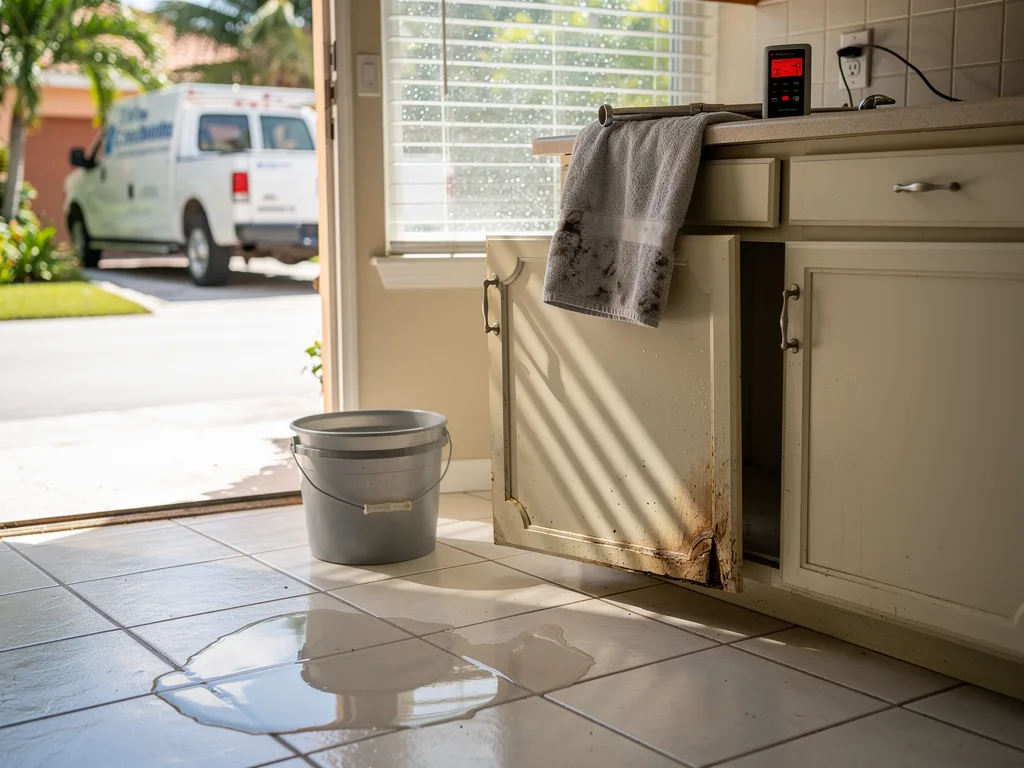
Storms are a fact of life in Miami. If a surge or heavy rainfall hits, you want a plan for rapid action. Elevate important belongings off the floor, check sump areas if available, and have emergency contact ready. Our restoration specialists can help set up a temporary drying strategy and monitor humidity levels as the space stabilizes.
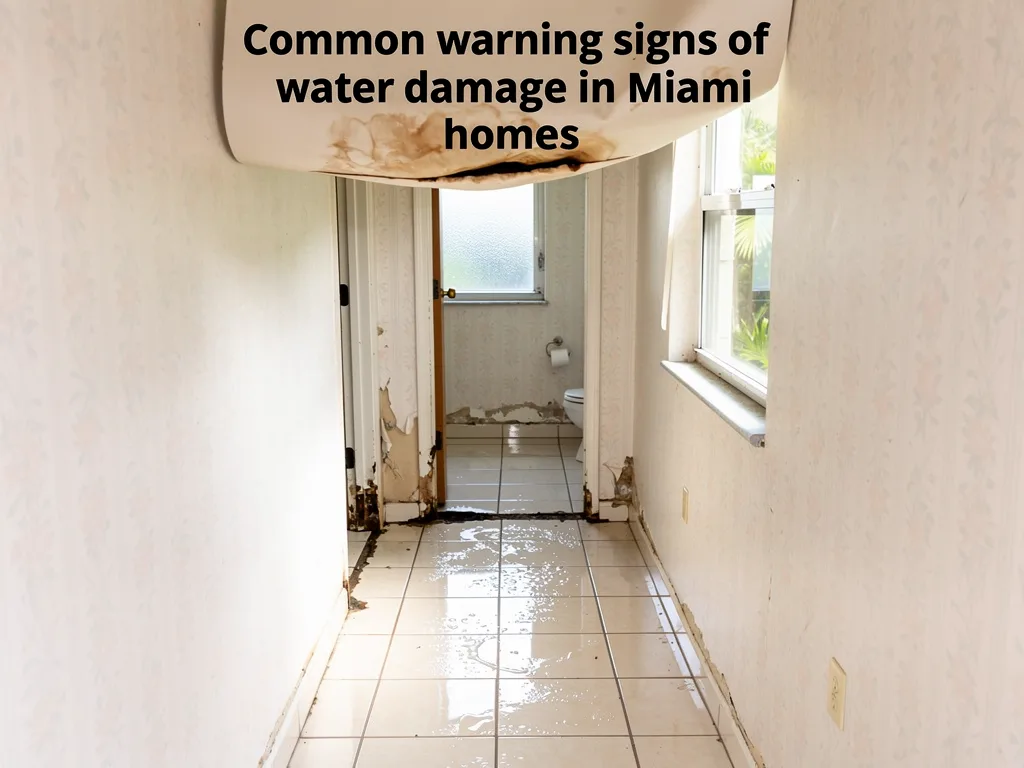
After a storm, inspect for visible leaks and pooling water around the foundation. If you see ongoing damp spots or a musty smell in any room, call a restoration specialist soon. Quick assessment helps keep repair work focused and minimizes disruption to your daily life.
Seasonal maintenance checklist
- Test and service household drainage points twice a year.
- Inspect crawl spaces or basements for dampness after heavy rains.
- Use exhaust fans in kitchens and bathrooms to reduce humidity build up.
- Keep indoor humidity in the 30 to 50 percent range when possible.
Small, consistent steps pay off. In Miami, keeping moisture in check means less stress on walls, floors, and ceilings. If you’re unsure about a potential issue, a quick call to our team at Miami Water Damage Group is a sensible move. We’ll help you map out a practical plan that fits your home and your schedule.